
Discovering the Timeless Appeal of Mahjong
Mahjong, a captivating game with roots that trace back centuries, has evolved to become a cultural icon and a favorite pastime for many around the globe. This enigmatic game, originally from China, continues to enchant generations of players with its intricate strategic depth, social engagement, and historic charm.
The Origins of Mahjong: A Historical Snapshot
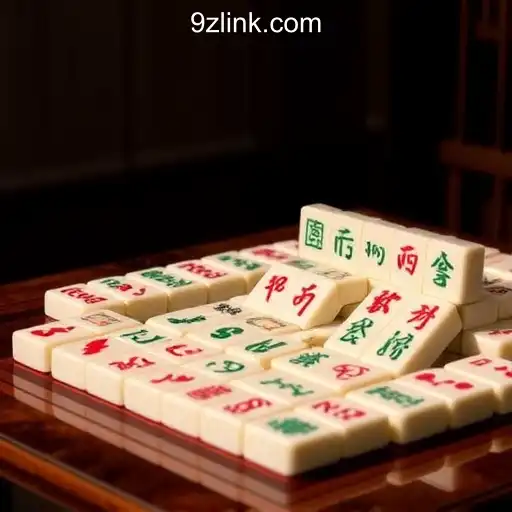
The exact origins of Mahjong are shrouded in mystery, with theories suggesting its development during either the Qing dynasty or possibly earlier. The game combines elements of both skill and fortune, akin to Western games like Rummy. Traditionally played with a set of 144 tiles bearing Chinese symbols and characters, Mahjong relies on the players’ abilities to draw and discard tiles strategically.
Mahjong Tiles and Gameplay
The game is divided into suits similar to playing cards: Bamboos, Characters, and Dots, each containing tiles numbered from one to nine. Additionally, there are honor and bonus tiles like Winds, Dragons, Flowers, and Seasons. A standard game involves four players trying to form valid combinations with these tiles, a task involving both skill and strategic foresight.
The appeal of Mahjong lies not only in its strategic nature but also in its social aspect. The game serves as a communal activity, inviting interaction and conversation among the players. This combination of strategy and social engagement propels Mahjong to be embraced worldwide.
The Global Spread and Adaptation of Mahjong
As Mahjong gained popularity, it began to transcend cultural and geographical borders, evolving into an internationally beloved game. Variations of Mahjong emerged across different regions, each adapting the game to fit cultural preferences and norms.
Classic Mahjong maintains traditional rules, whereas variations like Riichi Mahjong from Japan introduce unique rules and scoring systems. Similarly, in the West, Mahjong has been adapted into various tabletop versions catering to local preferences and introducing new audiences to its charm.
Mahjong in the Digital Age: The Rise of Online Mahjong
The digital revolution brought Mahjong into the virtual domain, making it accessible to a broader audience. Online platforms allow players to engage with others across the globe, breaking geographical barriers and fostering a multicultural community of enthusiasts. This evolution of Mahjong in the digital era ensures its place in modern entertainment.
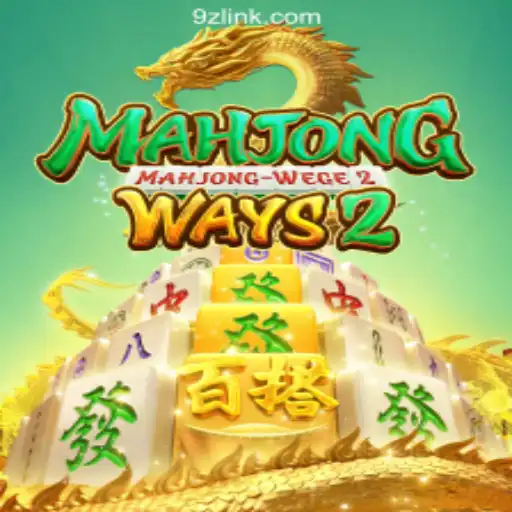
One such adaptation is evident within the online gaming sphere, where platforms like the 9Z.com platform-online Slots Brasil #1 showcase digital versions of Mahjong alongside an array of other games. This integration demonstrates Mahjong's versatile appeal, allowing it to stand shoulder to shoulder with contemporary online gaming options.
9Z.com Platform: Bridging Traditional Games with Modern Entertainment
The 9Z.com platform ingeniously combines classic games such as Mahjong with the dynamic allure of online slots. By offering digital versions of Mahjong, the platform caters to both traditional game enthusiasts and newer generations looking for fast-paced entertainment.
Among Brazilian audiences, the allure of combining a culturally rich game like Mahjong with the excitement of online slots further solidifies 9Z.com's reputation as a leading platform. As online gaming continues to rise in popularity, the demand for integrating classical games with modern formats grows, confirming Mahjong's enduring appeal.
Conclusion: The Future of Mahjong
The journey of Mahjong from ancient Chinese dynasties to contemporary digital platforms highlights its extraordinary adaptability and timeless allure. As platforms like 9Z.com continue to innovate, integrating classical games with cutting-edge technology, Mahjong's presence in the gaming landscape will undoubtedly persist.
Thus, the story of Mahjong is not just a tale of an ancient game but a narrative of cultural resilience, adaptation, and connectivity that promises to intrigue future generations.